
What if we talked about athletes with disabilities as athletes… plain and simple?
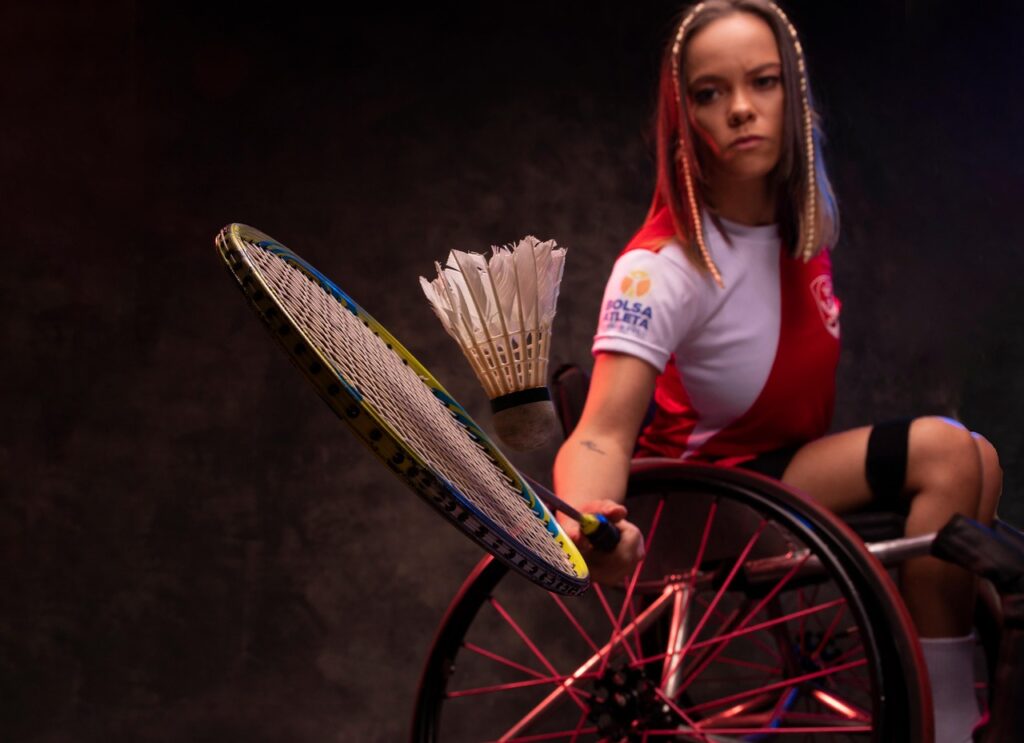
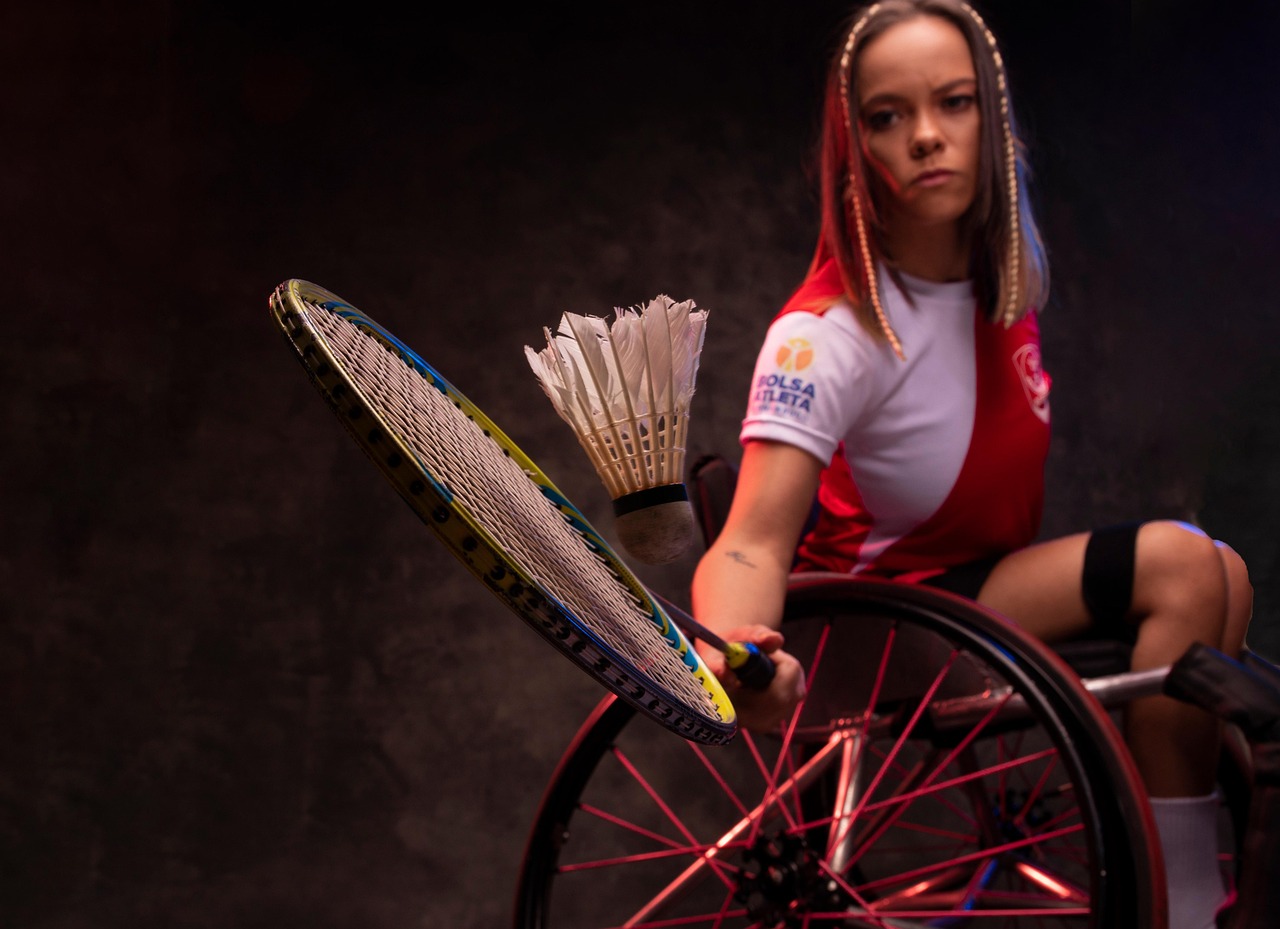
As the 2026 Paralympic Games approach, the spotlight is finally shining on athletes who are too often overlooked in the media. We celebrate their performances, share their stories, and are moved by their achievements. And that’s a good thing! But behind the medals, inspiring portraits, and well-intentioned speeches, a more complex reality persists: that of unequal access to sport, structural barriers that remain very much in place, and a social perspective that, sometimes unintentionally, does more harm than good.
This year, instead of just applauding or playing basketball while sitting on rolling office chairs, why not take the opportunity to really understand what athletes with disabilities go through? For organizations, managers, and employees, this is the perfect opportunity to ask the right questions, move beyond clichés, and celebrate meaningfully, not just with “inspiring” words.
Canada: between goodwill and persistent obstacles
Officially, Canada shows a strong commitment to inclusion. The federal government has implemented a Policy on Sport for Persons with Disabilities, and everything seems to be in place to ensure that everyone can move, play, and perform. On paper, it’s perfect. In reality… it’s a little more complicated.
A large-scale study conducted for Sport Canada in 2024-2025 reveals that children and youth with disabilities still face many barriers to participating in sports: rare adapted programs, infrastructure that is not always accessible, high costs, and environments that do not take into account physical, sensory, or cognitive needs. Even caregivers confirm that wanting their children to be active can sometimes be a real struggle!
When it comes to sports organizations, the numbers speak for themselves. Six out of ten of these organizations admit that only some of their programs are accessible, or that none of their activities are accessible. Only one in four can say that most or all of their programs are truly accessible. In other words, even with the best intentions, financial resources, training, and inclusive reflexes don’t always follow suit.
And it’s not just a question of infrastructure: very few organizations include people with disabilities in their decision-making bodies or governance. According to the same study, decisions are still made “for” rather than “with” those who live with these realities on a daily basis.
Financial insecurity: a major obstacle, even at high levels
When we think of professional or Olympic athletes, we often imagine elite careers that are supported, funded, and supervised. The reality is quite different! Many high-level athletes with disabilities experience significant financial insecurity, which is sometimes incompatible with the demands of performance training.
In fact, whether they are athletes or not, people with disabilities start out at a disadvantage. According to a Statistics Canada report, the median employment income of people with disabilities in Canada is $10,000 lower than that of their counterparts without disabilities.
In Canada, Paralympic athletes have publicly denounced the inadequacy of the Athlete Assistance Program, whose funding does not always take into account the additional costs associated with disability: specialized equipment, uncovered healthcare costs, more complex travel arrangements, required support, etc. Some athletes have to work part-time or even full-time jobs alongside their sporting careers, to the detriment of their recovery and performance.
This reality creates a fundamental inequality, because even with equal talent, athletes with disabilities often have to work much harder just to stay in the game. And this financial pressure also acts as an invisible filter, discouraging talented individuals from entering high-level sports due to a lack of sufficient resources.
“Inspiring,” “brave,” “heroes”… how about we calm down a little?
There is a big gap between perception and reality: the public is rarely aware of these obstacles. People are unaware of the effort, costs, and adjustments required for an athlete to practice their sport.
And yet, without even knowing all this, the same adjectives come up at every Paralympic Games. We talk about “inspiring” athletes, “life lessons,” and “everyday heroes.”
Many people with disabilities denounce what is known as “inspiration porn,” which is the practice of turning their lives or achievements into a source of motivation for people without disabilities, rather than recognizing their expertise, hard work, and passion. Most Paralympic athletes do not participate in their sport to “give hope” or “show that anything can be overcome.” They train, compete, win, and lose for the same reasons as any other athlete: because sport is a passion and part of their lives.
Reducing their journey to a story of individual courage or resilience obscures the real collective issues that are not being discussed: lack of accessibility, systemic barriers, underfunding, and the absence of fully inclusive policies. In DEI, this shift is well known. When we focus on the individual, we avoid talking about the system.
What the Paralympic Games can teach us about DEI
For organizations, the Paralympic Games should not be just a one-off celebration to name our most famous Paralympic athletes and talk about how brave they are. Take this opportunity to ask yourself some questions:
- Who has access to resources?
- Who has to constantly adapt?
- Who is perceived as “exceptional” simply for existing in a system that was not designed for them?
Talking about Paralympic athletes differently also means learning to talk about disability differently in our organizations. It means recognizing that inclusion is not based on admiration or compassion, but on structural choices, concrete investments, and questioning our norms.
In conclusion
Yes, Paralympic athletes are impressive. Yes, their performances deserve to be celebrated. But they don’t need to be constantly elevated to superhero status to earn respect. Treating them as athletes in their own right, with specific realities and systemic barriers, is already a huge step toward more authentic inclusion.
What if, this year, we took advantage of the Paralympic Games not only to cheer… but also to reflect on what fairness really means, on the tracks, in the arenas, and in our organizations?
